
Workspace Franchise Models: What Service Consistency Variations Mean for Your Membership Experience
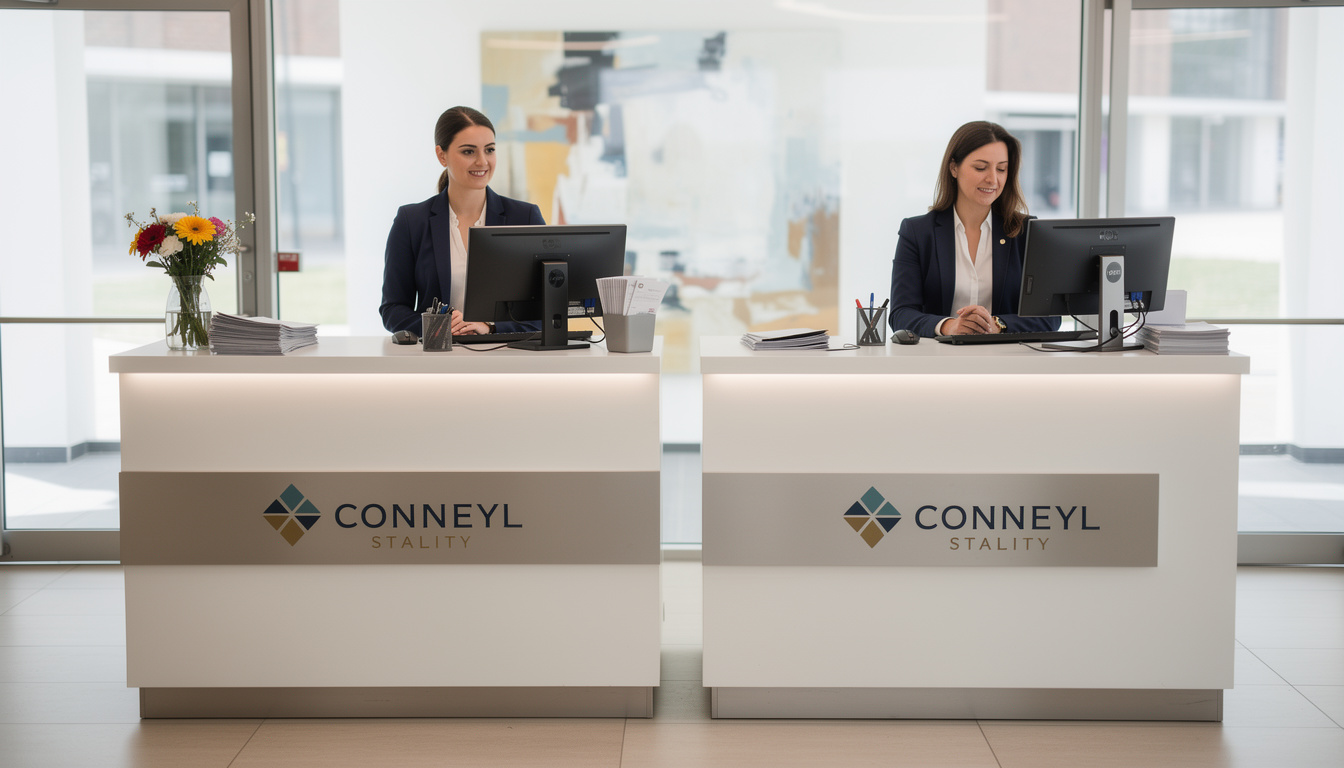
You tour a workspace in Manchester. The coffee is excellent, the team remembers your name, and the meeting rooms book instantly through a polished app. Three months later, you open a second office in Birmingham with the same brand. The coffee is instant, nobody answers the phone, and the booking system requires a spreadsheet and two days’ notice. Same logo, different company.
Most workspace brands operate through a mix of corporate-owned sites and franchised locations. The ownership structure determines everything from how quickly maintenance gets handled to whether your membership works the same way in every city. For teams scaling across regions, understanding who actually runs each location matters more than the brand name above the door.
Why Workspace Franchise Models Create Service Variations
A franchise model means individual operators license the brand name and systems but run their own businesses. They hire their own teams, negotiate their own supplier contracts, and make their own decisions about service levels within broad brand guidelines.
This creates predictable friction points. One franchisee might invest heavily in premium coffee and daily cleaning because they compete with grade A offices nearby. Another might run a tighter operation because their local market tolerates lower service standards. Both use the same brand name, but your day-to-day experience differs significantly.
The variation shows up in operational details that matter when you work there five days a week. Corporate-owned locations typically follow standardised processes for everything from how quickly they respond to maintenance requests to which payment terms they offer. Franchised locations have more autonomy, which means more variation.
For members with teams in multiple cities, this structure creates practical problems. Your Manchester office might include meeting room credits in the base membership, while Birmingham charges per hour. One location might allow you to bring clients through reception without signing them in, another requires advance notice and escort protocols. These inconsistencies compound when you are trying to run a business across regions.
How Ownership Structure Affects Your Membership Terms
Franchise agreements typically give local operators flexibility on pricing, contract terms, and included services. This means the membership you sign in one city might not transfer cleanly to another location under the same brand.
We have spoken with members who discovered their ‘network access’ did not actually include their second office because it was run by a different franchisee with different pricing. Others found that cancellation terms varied by location, or that the premium tier in Manchester did not exist in Leeds because that franchisee structured their offerings differently.
Direct operators avoid this problem by maintaining consistent terms across all locations. When we set pricing or membership structures, they apply uniformly whether you are in Derby, Manchester, or any future location. Your contract means the same thing regardless of which office you use most often.
This matters particularly for procurement teams evaluating workspace providers for multi-city rollouts. A franchise model requires you to negotiate separately with each location, review different contracts, and manage relationships with multiple business entities. A direct operator gives you one contract, one invoice, and one point of accountability.
Service Quality Indicators Beyond Brand Marketing
Franchise models rely on brand guidelines to maintain consistency, but enforcement varies. Some workspace brands audit their franchisees quarterly and enforce strict standards. Others take a lighter touch, allowing significant deviation as long as the branding remains consistent.
Before committing to any workspace, ask who owns the specific location you are considering. If it is franchised, ask how long that operator has held the licence and how many other locations they run. Experienced multi-site franchisees typically deliver more consistent service than single-location operators still learning the systems.
Check whether membership terms are set by the brand or the individual operator. If the operator sets terms, expect variation between locations. Ask specifically about meeting room credits, guest policies, and whether your membership grants access to other sites in the network without additional fees.
Look at operational details that reveal how well the location is resourced. Is reception staffed during your working hours, or does it rely on video call systems? How quickly do they respond to maintenance requests? Do they have on-site facilities teams, or do they contract out repairs? These details indicate whether the franchisee is investing in service quality or running a minimal operation.
For teams planning to scale across multiple cities, the franchise question becomes critical. You need to know whether your positive experience in one location will translate to others, or whether you are effectively starting the evaluation process from scratch each time you expand.
What Direct Operator Models Deliver for Multi-City Teams
Direct operators own and run all their locations under unified management. This structure eliminates the service variation that franchise models create because every site follows the same operational playbook, uses the same suppliers, and reports to the same leadership team.
When we open a new location, the service standards, pricing structures, and membership terms match our existing sites. Your Manchester membership works identically in Birmingham because both offices operate under the same systems and accountability structures. There is no negotiation between separate business entities, no variation in contract terms, and no surprise differences in what your membership actually includes.
This consistency extends to operational details that affect your daily experience. Our cleaning schedules, maintenance response times, and reception service standards are set centrally and applied uniformly. The coffee is the same, the booking systems work the same way, and the team training follows the same protocols.
For procurement teams, direct operators simplify vendor management significantly. You negotiate once, sign one master agreement, and manage one relationship regardless of how many locations you use. Your invoicing is consolidated, your reporting is consistent, and you have one point of contact for any issues across your entire workspace portfolio.
The structure also affects how quickly operators can respond to member feedback. In a franchise model, suggested improvements need to be adopted by individual operators who may have different priorities or budgets. Direct operators can implement changes across all locations simultaneously once a decision is made.
How to Evaluate Operator Structure Before You Commit
Start by asking directly whether the location is corporate-owned or franchised. Reputable operators will answer this transparently because it is factual information about their business structure, not a competitive secret.
If the location is franchised, ask whether your membership contract is with the brand or the individual operator. This determines who is legally responsible for delivering the services you are paying for and who you would pursue if something goes wrong.
Request a tour of any other locations you might use before signing a multi-site agreement. Do not assume consistency based on brand marketing. Walk through each site, meet the teams, and verify that service standards match what you experienced at your primary location.
For teams planning regional expansion, map out your likely growth cities and confirm which operator model serves each one. If you are mixing franchised and corporate locations, understand upfront that you will be managing multiple relationships and potentially renegotiating terms as you scale.
Check whether ‘network access’ actually means unlimited use or whether it requires booking fees, advance notice, or separate arrangements with other operators. Many workspace brands advertise global networks, but the practical access varies significantly based on operator structure.
Finally, ask about the operator’s own growth plans. Direct operators with capital to expand can add locations that integrate seamlessly with your existing membership. Franchise brands depend on finding suitable operators in your target cities, which may or may not align with your timeline.
This Week: Audit Your Current Workspace Agreements
Pull your workspace contracts and identify who you are actually contracting with at each location. If you are using multiple sites under the same brand name, check whether they are all with the same legal entity or separate operators.
For any franchised locations, review what your membership actually includes versus what you assumed based on brand marketing. Specifically check meeting room allowances, guest policies, and whether you can use other locations without additional fees.
If you are planning to add cities in the next twelve months, contact your workspace provider now and ask about operator structure in those markets. Understand whether you will be extending your current relationship or starting fresh with a new entity.
This audit takes less than an hour but prevents expensive surprises when you try to scale or when service quality diverges from what you expected based on your initial location experience.
We operate all our locations directly because service consistency matters when teams are trying to build businesses across regions. See our current sites and uniform membership terms at cubowork.com.